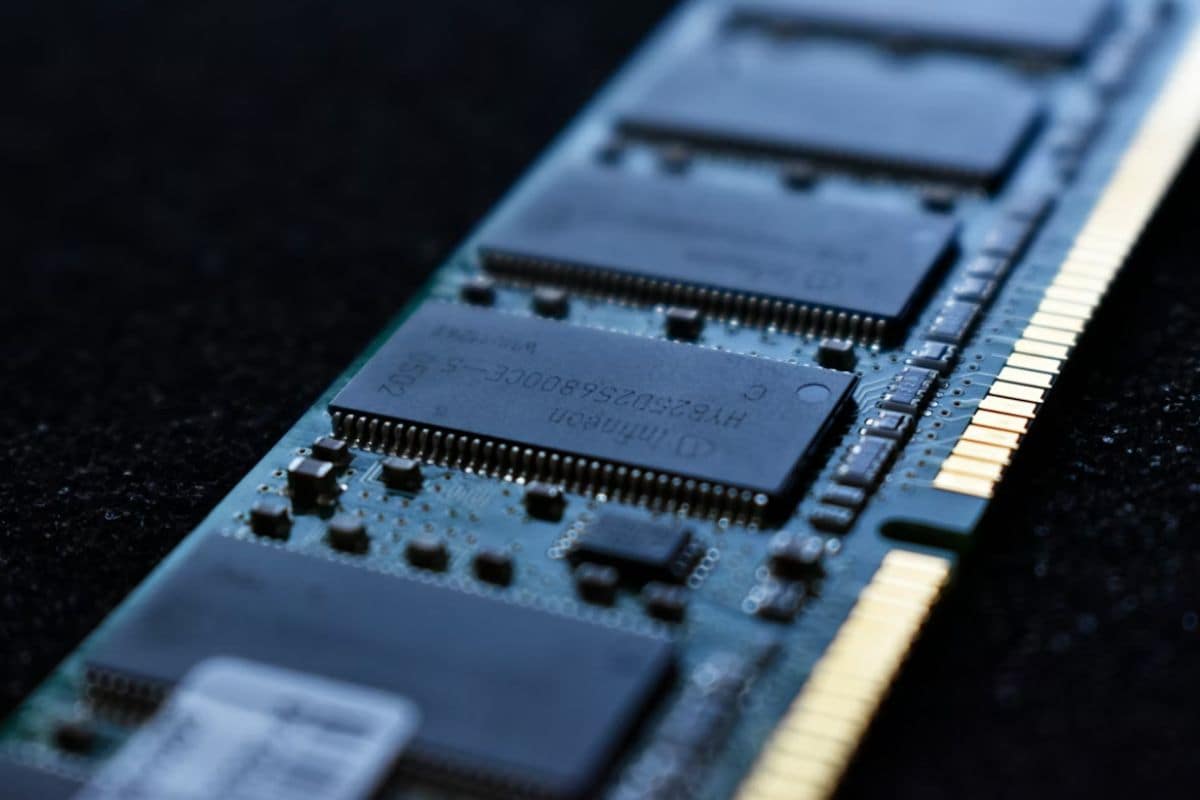
Qualcomm announced the company's financial performance in the first fiscal quarter of the year on Wednesday. While the company posted robust growth numbers and even surpassed market expectations, it set the lowered revenue expectations for the next quarter. The chipmaker's gloomy outlook comes from the reduced memory component availability, which has crippled the entire consumer electronics market. During the Q1 2026 earnings call with investors and analysts, Akash Palkhiwala, Chief Financial Officer at Qualcomm, said several smartphone brands were looking to reduce the production of units.
Qualcomm Says Smartphone Production Will Be Impacted in Q2 2026
During the earnings call, Palkhiwala said the company's revenue expectations for the next quarter of the fiscal year were between $10.2 billion and $11 billion. The number was much lower than Qualcomm's Q1 revenue of $12.2 billion, meaning the company expects a period of negative growth. When some analysts questioned if the reason was a seasonal dip in demand for smartphones, the CFO was quick to explain that the global DRAM shortage was to blame.
“Increasing demand for memory solutions in AI data centres is driving near-term uncertainty in memory supply and pricing for handset OEMs. As a result, the handset OEMs are taking a cautious approach in planning their business. We've seen several OEMs, especially in China, take actions to reduce their handset build plans and channel inventory,” Palkhiwala said.
Cristiano Amon, President and CEO at Qualcomm, added that the outlook for the next quarter was not impacted by consumer demand, which remains strong. Instead, the revenue projection was entirely based on the supply crunch. He also explained that the global DRAM shortage was triggered due to memory suppliers prioritising HBM for artificial intelligence (AI) data centres. Amon also refrained from answering whether the memory shortage issue will persist throughout the fiscal year, or continue to 2027 and beyond.
“I think the whole fiscal year, mobile handset size will be determined by memory availability, and we're just going to monitor this on a quarter as, you know, as phones get repriced, tiers kind of shift towards high-end premium, and we'll see what happens in the marketplace,” Amon said, hinting that non-flagship mid and budget range smartphone could be the worst affected segments.
The Qualcomm CEO also said that while bigger brands could be more resilient to the supply constraint, no original equipment manufacturer is going to be immune to this. He added that while there are capacity build-out plans to tackle the DRAM shortage, availability will be determined by the acceleration of data centre expansions by AI companies.
Comments
Post a Comment